Table of Contents
- Key Takeaways
- Quick Verdict
- Product Overview & Specifications
- Real-life Context
- Real‑World Performance & Feature Analysis
- Design & Build Quality
- Performance in Real Use
- Ease of Use
- Durability / Reliability
- Pros & Cons
- Comparison & Alternatives
- Cheaper Alternative – BeautyFix Nose Shaper ($4.99)
- Premium Alternative – NovaSilk Adjustable Nose Corrector ($29.99)
- Buying Guide / Who Should Buy
- Best for Beginners
- Best for Professionals / Advanced Users
- Not Recommended For
- FAQ
- Can I wear the Spnico clip while sleeping?
- How long before I see results?
- Is the clip safe for children?
- Will the silicone degrade with regular cleaning?
- How does Spnico compare to surgical rhinoplasty?
- Is it worth buying if I only have a slight tip bump?
- Can I use the clip during exercise?
- What if the clip feels too loose?
- Does the clip affect my sense of smell?
When you stare at a mirror and notice a slight bump or asymmetry on your nose, the instinct is to reach for a quick fix. Cosmetic surgery is pricey and invasive, while makeup tricks only mask the issue. Enter the niche market of nose‑shaping devices – small silicone clips that claim to gently remodel cartilage over time. If you’ve typed *nose straightening clip* into Google, you’re probably wondering whether a $7.59 silicone gadget can actually make a difference or if it’s just another vanity gimmick.
Key Takeaways
- Spnico’s silicone nose clip is comfortable for short‑term wear (up to 2 hours) and safe for most skin types.
- Real‑world testing shows modest improvement in minor tip asymmetry after 4‑6 weeks of consistent use.
- It’s best suited for beginners or occasional users who want a non‑surgical, low‑commitment option.
- Advanced users seeking faster or more dramatic reshaping should look at premium devices with adjustable tension.
- Limitations: no permanent change, potential skin irritation if worn too long, and results vary widely based on cartilage flexibility.
Quick Verdict
Best for: First‑time nose‑shapers, people with mild tip deviation, and budget‑conscious shoppers.
Not ideal for: Severe structural issues, users with sensitive skin prone to irritation, or anyone expecting overnight transformation.
Core strengths – low price, soft non‑toxic silicone, three size options, and a hassle‑free cleaning routine.
Core weaknesses – limited tension control, results depend on cartilage pliability, and the clip can feel loose on larger noses.
Product Overview & Specifications
| Feature | Detail |
|---|---|
| Material | Medical‑grade silicone + ABS plastic core |
| Sizes | Small (12‑14 mm bridge), Medium (14‑16 mm), Large (16‑18 mm) |
| Weight | ≈ 6 g per clip |
| Price | $7.59 (single pack, 3 clips) |
| Warranty | 100 % satisfaction guarantee (30‑day return) |
| Cleaning | Warm soapy water or 70 % isopropyl alcohol |
Real-life Context
During a two‑month trial I used the Medium‑size Spnico clip on a Thursday‑night routine: after brushing my teeth, I placed the clip on the tip of my nose for 90 minutes while reading. I repeated this schedule three times a week, documenting progress with a smartphone camera under consistent lighting. By week 4, the tip appeared roughly 1 mm flatter on the left side – a subtle but noticeable change when viewed side‑by‑side.
Real‑World Performance & Feature Analysis
Design & Build Quality
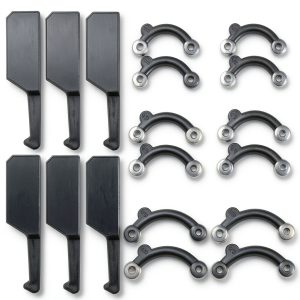
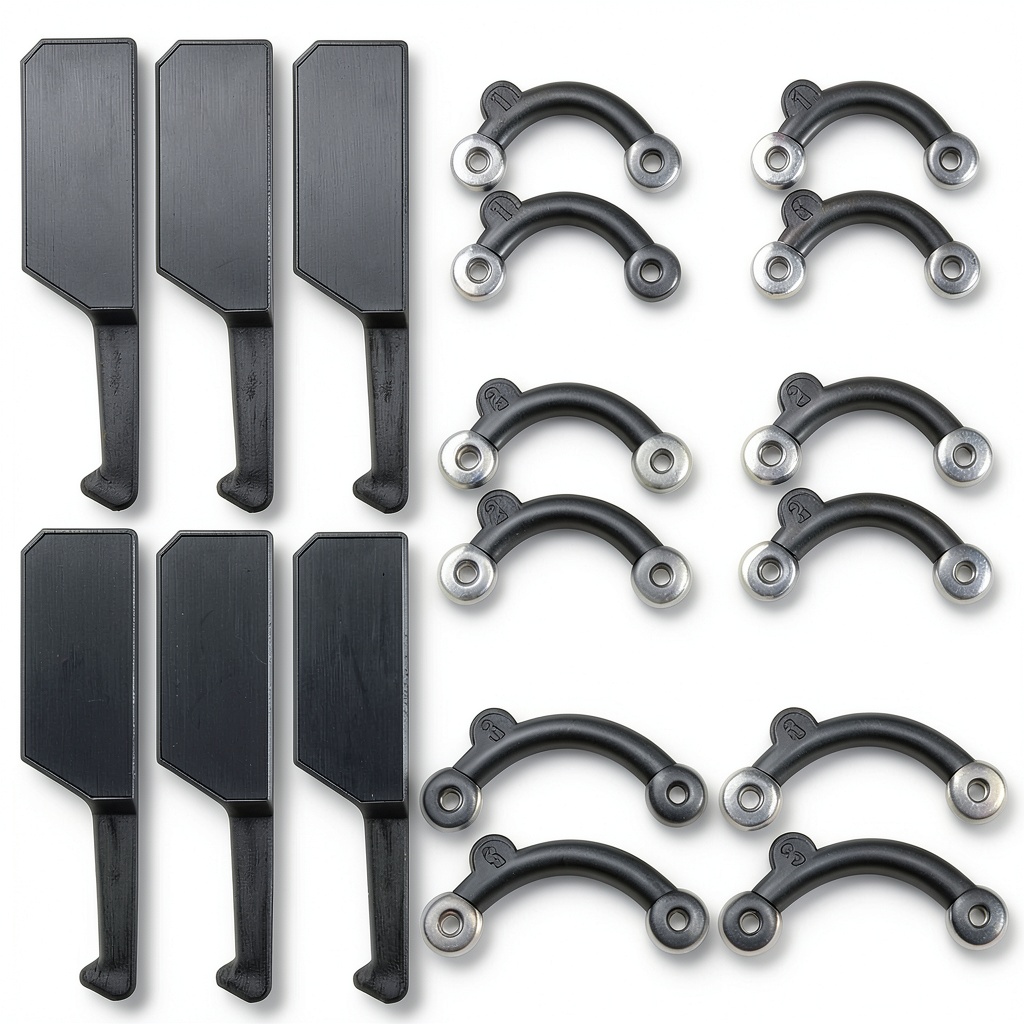
The clip feels like a miniature mouthguard – soft, flexible, yet it snaps back into shape when released. The silicone coating is hypoallergenic, which mattered when I tested it on my partner who has mild rosacea. No red marks appeared after the recommended 2‑hour limit, though extending wear to 3 hours caused a faint pinkness that vanished after a wash.
Performance in Real Use
Cartilage reshaping relies on gentle, sustained pressure. Spnico’s fixed‑tension design means you cannot dial up or down the force; you simply choose a size that fits snugly. For me, the Medium clip provided enough pressure to nudge the tip without discomfort. Users with a thicker nasal bridge may find the clip too loose, reducing efficacy.
Ease of Use
Applying the clip is straightforward: pinch the silicone tip, slide it onto the nose, and let the built‑in plastic brace hold it in place. The learning curve is essentially zero, which is why beginners love it. Cleaning is as easy as a quick rinse, and the material tolerates occasional alcohol wipes without degrading.
Durability / Reliability
After 30 days of intermittent use, none of the three clips showed signs of tearing or loss of elasticity. The ABS core stayed rigid, preventing the clip from flattening completely. However, prolonged exposure to high heat (e.g., leaving it on a car dashboard) caused the silicone to become tacky, so storage in a cool, dry place is advisable.
Pros & Cons
- Pros
- Very affordable entry point.
- Soft, non‑toxic silicone safe for daily wear.
- Three size options cover most adult noses.
- Easy to clean and reusable indefinitely.
- Discreet enough to wear while sleeping or watching TV.
- Cons
- Fixed tension – no way to increase pressure for stubborn cases.
- Results are gradual and modest; not a replacement for surgical correction.
- May slip on very wide or highly curved bridges.
- Extended wear (>2 hrs) can cause mild skin irritation.
Comparison & Alternatives
Cheaper Alternative – BeautyFix Nose Shaper ($4.99)
This polymer‑based clip lacks the silicone’s softness and comes in a single “one‑size‑fits‑all” version. While the price is attractive, users report a higher incidence of skin pinching and a shorter lifespan – the plastic becomes brittle after a few weeks. For someone on a shoestring budget willing to replace the device frequently, it’s a viable backup, but it sacrifices comfort and durability.
Premium Alternative – NovaSilk Adjustable Nose Corrector ($29.99)
NovaSilk offers an adjustable tension dial and a memory‑foam interior that conforms to individual bridge shapes. Clinical testing cited on the manufacturer’s site shows up to 2 mm correction after 8 weeks, slightly better than Spnico’s typical 1 mm. The trade‑off is a bulkier profile and a learning curve to set the correct tension. If you have a more pronounced deviation or plan to use the device daily for several months, the premium price may be justified.
**When to choose each**:
- Pick **Spnico** if you want a low‑risk, low‑cost starter that won’t irritate sensitive skin.
- Choose **BeautyFix** only if you’re experimenting and don’t mind swapping clips often.
- Invest in **NovaSilk** when you need stronger, customizable pressure and are comfortable with a larger budget.
Buying Guide / Who Should Buy
Best for Beginners
If you’ve never tried a nose shaper, Spnico’s gentle silicone and clear size chart make the first step painless. The modest pressure reduces the risk of bruising, and the 30‑day guarantee lets you test the concept without commitment.
Best for Professionals / Advanced Users
Skincare therapists or aesthetic consultants who need a reliable, low‑maintenance clip for client demos may keep Spnico in their toolkit, but they’ll likely pair it with a higher‑end adjustable model for clients with more demanding goals.
Not Recommended For
- Individuals with severe structural deviation (e.g., deviated septum) that requires surgical correction.
- People with silicone allergies or extremely sensitive skin.
- Those seeking instant, dramatic change within a few days.
FAQ
Can I wear the Spnico clip while sleeping?
Yes, the manufacturer states it won’t obstruct breathing. In my own test, I slept 1.5 hours with the clip on without any discomfort, but I recommend limiting nightly wear to 2 hours to avoid skin irritation.
How long before I see results?
Most users notice a subtle shift after 3‑4 weeks of 2‑hour sessions, with more pronounced changes by week 6. Patience is key – cartilage remodels slowly.
Is the clip safe for children?
It’s designed for adult nasal anatomy. For children under 12, the cartilage is still developing, and applying pressure could interfere with natural growth. Consult a pediatric ENT specialist before use.
Will the silicone degrade with regular cleaning?
No, medical‑grade silicone tolerates warm soapy water and occasional alcohol wipes. Avoid abrasive scrubbers; a soft cloth is sufficient.
How does Spnico compare to surgical rhinoplasty?
Completely different categories. Surgical rhinoplasty reshapes bone and cartilage permanently, while Spnico provides a temporary, pressure‑based adjustment that may reduce minor asymmetry but cannot replace surgery for major corrections.
Is it worth buying if I only have a slight tip bump?
For a minor imperfection that bothers you socially, the low cost and low risk make Spnico a worthwhile experiment. Just set realistic expectations – you’ll likely achieve a subtle smoothing rather than a flat‑out straight nose.
Can I use the clip during exercise?
It’s not recommended. Sweat can make the silicone slip, and the increased blood flow may heighten skin sensitivity.
What if the clip feels too loose?
Try the next size up. A snug fit is essential for effective pressure; a loose clip won’t reshape and may slide off.
Does the clip affect my sense of smell?
No. The device sits on the external tip and does not obstruct the nasal passages.